Fiber & Needle Focus

Follow the First Stitch

There is a profound rhythmic calm in drawing a needle through tensioned cloth. Hand needlework requires no electric cords, produces zero harsh fumes, and packs neatly into a pocket pouch for an afternoon in a park or by a rainy window.

Textile craft connects us directly to centuries of domestic repair. Instead of concealing wear and tear, modern fiber crafters celebrate garments through visible mending, sashiko geometric lines, and small-scale frame weaving that honors each strand.

Hands-On Textile Explorations

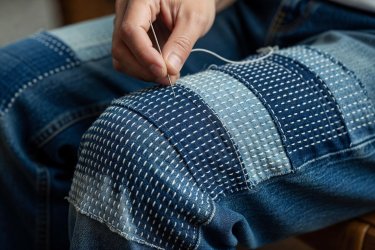
Hand holding a sashiko needle sewing white parallel stitches over indigo patched denim Visible Repair
Time: 2 Hours • Skill: Japanese Boro

1. Japanese Sashiko Knee Patch

Reinforce worn denim trousers using traditional sashiko (literally "little stabs"). Place a sturdy linen or denim underlay beneath the tear, pin with tailor’s chalk grid guidelines, and sew rhythmic running stitches using heavy, unmercerized sashiko cotton thread.

Result: A reinforced structural repair that looks intentional and artistic.
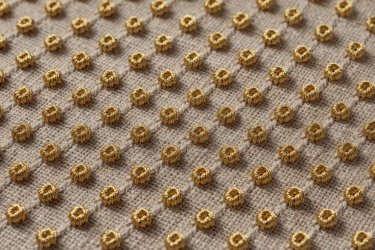
Close-up of golden embroidery thread forming neat French knots on natural oatmeal linen Embroidery
Time: 1.5 Hours • Beechwood Hoop

2. The Four-Stitch Linen Sampler

Tension an unbleached linen square inside a 6-inch beechwood hoop. Practice the essential architectural quartet of embroidery: the clean backstitch (line construction), the split stitch (stem texture), the French knot (three-dimensional pollen buds), and the satin stitch (smooth color fill).

Result: Muscle memory and an ornamental wall hanging.

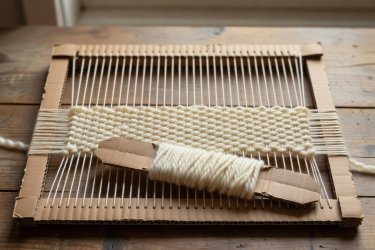
Cardboard frame loom with cotton warp strings and thick undyed wool weft woven through Weaving
Time: 3 Hours • Reclaimed Box Loom

3. Cardboard Frame Tapestry Coaster

Cut notches every 5mm across the top and bottom of a sturdy corrugated cardboard rectangle. String unbleached cotton butcher's twine for your warp, and weave scrap knitting wool or torn fabric strips using a blunt tapestry bodkin needle.

Result: Two insulated, textured hot-pot coasters.

Step-by-Step: The Sashiko Running Stitch

The secret of traditional sashiko lies in loading multiple stitches onto a long needle before pulling through, rather than stitching one hole at a time:

01

Prepare & Mark the Grid

Using a water-soluble fabric pencil or tailor's soap, rule a 5mm grid across your patch area. Do not knot your thread; leave a 2-inch tail on the reverse.

02

Load the Needle

Gather the cloth like an accordion over your thumb. Feed the long sashiko needle through 4 to 6 hills of fabric in one forward motion.

03

Release Tension

Pull the thread through firmly, but smooth the fabric flat with your palm to avoid puckering. Leave gentle slack at turn-corners.

04

Lock Without Knots

Anchor thread ends by overlapping your final three stitches directly on top of previous stitches on the reverse side.

Fiber Characteristics at a Glance

Understanding natural vs synthetic fibers prevents puckering after first laundry washes:

Fiber Material Tensile Strength Care & Wash Behavior Recommended Needle Size
Raw Flax Linen Extremely High Softens beautifully with each wash; press damp. Crewel #5 to #7 Sharp
Organic Cotton Calico Moderate / High Pre-wash before stitching to prevent uneven shrinkage. Embroidery #7
Japanese Sashiko Thread Very High (Multi-ply) Matt finish; never splits during heavy friction pulls. Sashiko Long Needle (50–60mm)
Highland Wool Yarns Elastic / Springy Hand-wash cold only; shrinks and felts with agitation. Blunt Tapestry #18 to #22

Looking to repurpose household materials next? Continue to our Creative Reuse Projects.