Domestic Upcycling

See the Material Again

Creative reuse is not about gluing temporary novelty trinkets that end up in the dustbin next week. It is about recognizing the inherent structural qualities in heavy food-grade glass, cold steel cans, and cotton remnants.

By stripping factory labels cleanly, treating metal surfaces safely, and combining reclaimed substrates with natural elements like beeswax, sand, and living moss, you produce durable objects that feel grounded and intentional inside your living space.

Featured Upcycling Blueprints

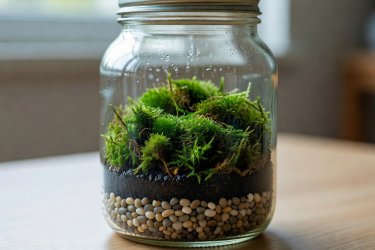
Clear glass pickle jar converted into a sealed terrarium with strata of pebbles, charcoal, and forest moss Glass & Botany
Time: 1 Hour • Reclaimed Pickle Jar

1. The Stratified Pickle Jar Terrarium

Reclaim a wide-mouth 1-liter glass jar. Build an enclosed miniature water cycle: a drainage bed of coarse river pebbles, a thin charcoal barrier to sweeten standing water, potting soil, and cushion moss scavenged from pavement cracks.

Longevity: Self-sustaining moisture cycle lasting months with minimal misting.
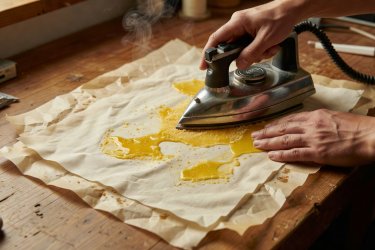
Parchment paper sandwich being pressed with a hot clothes iron to infuse yellow beeswax into cotton fabric Kitchen Craft
Time: 45 Mins • Scrap Cotton Calico

2. Hand-Melted Beeswax Food Wraps

Turn worn cotton pillowcases or shirting scraps into washable, naturally antibacterial food wraps. Grate local beeswax pellets mixed with a pinch of powdered pine resin, sandwich between baking parchment, and melt evenly with a domestic iron.

Longevity: Replaces cling film for over a year of cheese and bread storage.

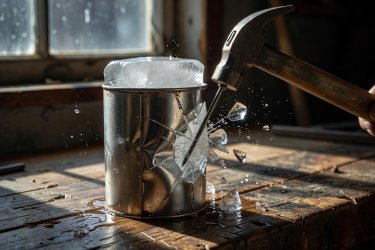
Steel soup tin filled with solid ice being pierced with hammer and nail on a wooden bench Steel Cold Work
Time: 1.5 Hours • Steel Soup Tins

3. Ice-Stabilized Tin Lanterns

Piercing an empty tin can normally dents the thin metal cylinder. The ancient tinsmith's trick: fill the clean tin with water and freeze it solid overnight. The internal ice block provides 100% rigid counter-pressure while you hammer pierced constellation holes with a common masonry nail.

Longevity: Rust-treated patio lanterns that cast enchanting evening shadows.

Clean Preparation: Removing Stubborn Factory Labels

Nothing spoils a repurposed container faster than gummy label residue. Skip harsh industrial solvents and follow this reliable workshop bath:

01

Boiling Water Fill

Fill the empty glass container with boiling tap water. The heat warms the adhesive backing from the inside out, softening the glue within 4 minutes.

02

Slow Corner Peel

Pull the paper face at a flat 45-degree angle. Most labels will peel off in one intact ribbon without shredding.

03

Oil & Bicarbonate Paste

For rubbery adhesive residues, mix equal parts sunflower oil and bicarbonate of soda. Rub onto the glass, leave for 15 minutes, and wipe away with coarse salt.

04

Hot Soapy Rinse

Degrease the glass with washing-up liquid and hot water. The glass is now sterile, clear, and ready for your project.

Tool & Safety Considerations for Reclaimed Media

Deburring Cut Tin Edges Always file down jagged can rim edges with a flat metal needle file or 240-grit emery cloth before handling.
Wax Flammability Control Never melt pure beeswax directly in a saucepan over an open gas burner. Always use a bain-marie (double boiler) or parchment iron sandwich.
Avoid Food-Grade Contamination Never repurpose jars that previously contained harsh motor oils, industrial chemicals, or paint solvents for edible kitchen storage.

Gathering friends for a collaborative weekend session? Read our Weekend Activity Guides.